In brief
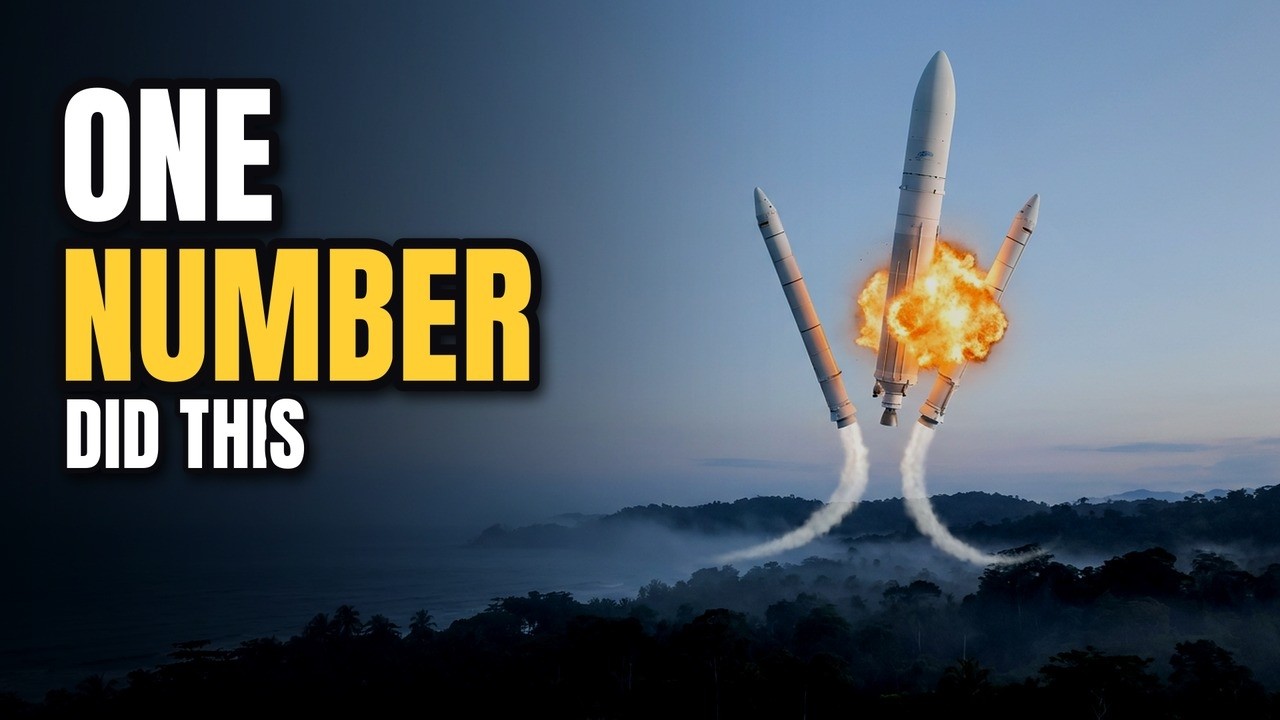
On June 4, 1996, on its very first flight, Europe’s new Ariane 5 rocket swung sideways and destroyed itself 37 seconds after its main engine lit. Nothing had hit it, and its engines were working normally: its own computer had steered it there. The inquiry traced that order back to a single number, too big for the 16-bit space a program had set aside for it, in software that had flown without trouble on Ariane 4. This film takes the failure apart: how a rocket balances on its swiveling nozzles, how it feels its own motion with laser gyroscopes and accelerometers, how computers keep numbers in boxes of a fixed size, why the identical backup failed first, and why years of testing never flew the new rocket’s path. It follows the scientists whose four Cluster satellites were on board, and the rocket that came back to launch the James Webb Space Telescope.
Sources
The film cites 112 sources. These are the key ones.
- ESA/CNES Inquiry Board, “ARIANE 5 Flight 501 Failure. Report by the Inquiry Board” (1996-07-19)
- ESA/CNES, “N° 33–1996: Ariane 501 - Presentation of Inquiry Board report” (1996-07-23)
- ESA/CNES, “N° 20–1996: Flight 501 failure- first information” (1996-06-06, page date)
- ESA Bulletin 87, “The Selection of the Ariane-5 Test Flight for Cluster’s Launch” (1996-08)
- ESA/CNES Inquiry Board, “ARIANE 5 Flight 501 Failure. Report by the Inquiry Board (HTML page title: ARIANE 5 Failure - Full Report)” (1996-07-19)
- ESA, “Precise Ariane 5 launch likely to extend Webb’s expected lifetime” (2021-12-29)
- NASA Glenn, “Rocket Stability” (2023-11-20, page last updated)
- NASA (Tomayko), “Computers in Spaceflight: The NASA Experience (NASA CR-182505)” (1988-03)
- FAA (Federal Register), “Airworthiness Directives; The Boeing Company Airplanes (AD 2015-09-07, Amendment 39-18153, Docket FAA-2015-0936)” (2015-05-01)
Credits
Photographs: NASA/Chris Gunn (public domain); Deadpan via Wikimedia Commons (public domain). Imagery and data: Landsat 9 image courtesy of the U.S. Geological Survey; NASADEM (NASA JPL); NASA Earth Observatory (Blue Marble, Black Marble); Natural Earth. Typefaces: Fraunces, Inter and JetBrains Mono (SIL Open Font License). Software: three.js (MIT), Playwright (Apache 2.0), FFmpeg.